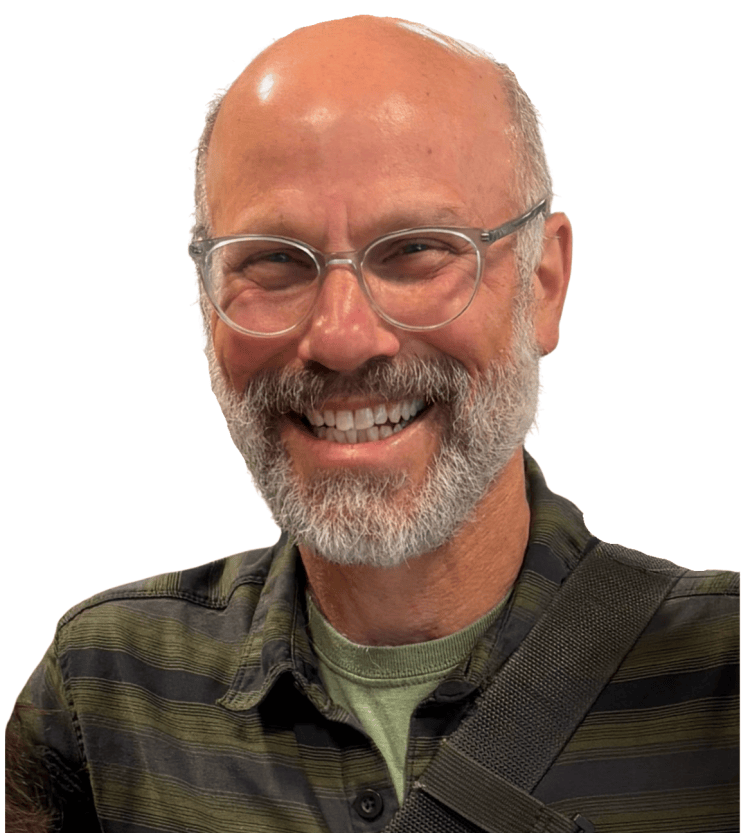
Hi. I’m Bob Kaplan, I’m running for re-election
to the Ashland City Council
Advance to the 4:00 mark if you wish to skip the introduction and go straight to the Q&A.
An experienced and collaborative leader committed to a vibrant,
resilient, and caring Ashland that works for everyone.
My priorities:
- Wildfire and climate resilience
- Affordability
- A thriving local economy
- Stewarding city finances, services, and infrastructure for the long term
- Learn more about me
- Read my recent in-depth articles
- My photo gallery
- Contact me
- Support my campaign: host a yard sign, donate, or volunteer
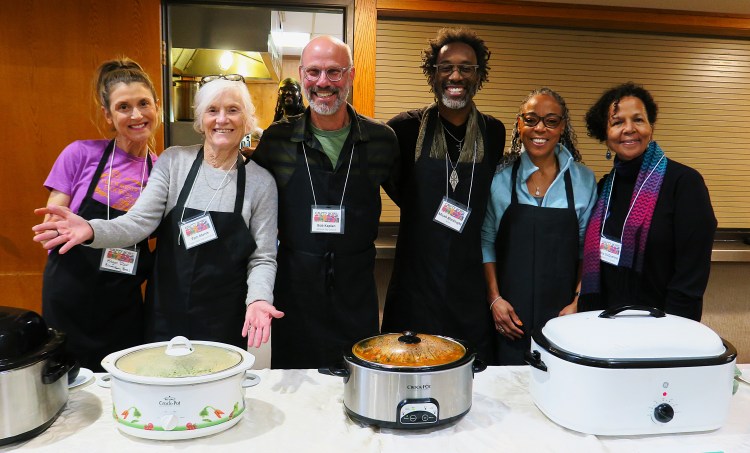
“I’ve seen how Bob approaches work as City Councilor. He does his homework, listens to everyone, and always looks for solutions that are right for our community. High integrity and competence. No drama.” – Pam Marsh
Read more endorsements for Bob!
My positions on the most important
issues facing our community:
Wildfire: We need to move faster to reduce wildfire risk.
We have a great plan. My priority is to move faster on it, and keep the City staff focused on what only the City can do, while facilitating efforts by community partners working at the neighborhood level.
Ashland’s wildfire risk is higher than 97 percent of communities in the country. We’ve been ahead of the curve since launching the Ashland Forest Resiliency Project in 2010 to reduce fuels in our watershed. Our updated Community Wildfire Protection Plan (approved in August 2025) brings that same seriousness inside city limits, informed by hard lessons from Paradise, our neighbors in Talent and Phoenix, and Los Angeles. It lays out a ten-year effort to make our city a fire break instead of a fuel source. (Here’s the Story map version)
I think ten years is too long to wait, and I’ll push for faster progress using proceeds from the monthly wildfire risk reduction fee and community partnerships.
Top priorities for City action are to lead by example with City facilities, harden critical infrastructure so essential services can keep running during and after a fire, update city codes, and serve as the hub to convene and coordinate community partners.
Many Ashland households have already begun the critical work around our homes, by removing flammable vegetation near the house, swapping wooden fences for noncombustible ones where they adjoin the house, and screening vents into crawl spaces and attics. I’ll push for the City to facilitate scaling up those efforts.
Housing: Land in Ashland is expensive. City processes shouldn’t add costs and delays.
My priority is a permitting path that doesn’t add cost or delay to housing we’ve already zoned for.
We’ve done a lot of the zoning work. Ashland’s Housing Production Strategy was the first in Oregon approved by the state. I helped shape the draft as a volunteer on the advisory committee, then voted to adopt it once I joined the Council. We’ve fulfilled some of the commitments already, and I’ll keep pressing for full implementation.
For example: We’ve land-banked for community land trust homes and approved zoning and sale protections for existing manufactured home parks. We’ve eliminated minimum off-street parking requirements citywide. And we’ve designated Climate Friendly Areas on the vacant railroad property and along the Ashland Street corridor, where zoning now sets minimum residential densities, removes density caps, and allows buildings tall enough for four floors of housing above ground-floor commercial. We made similar changes downtown.
But zoning is permission, not production. The next job is shortening the path from permission to a finished home. The Council identified 14 specific proposals in August, and staff and our advisory committees are fleshing them out. One would set measurable design standards in place of case-by-case judgment, so applicants know what’s expected before they draw plans, without giving up the design quality Ashland expects. I look forward to voting on each of the proposals.
When we’re talking about affordable housing, zoning and permitting alone won’t get us there. I want to move forward on the construction excise tax that our Housing Production Strategy calls for. Yes, that’s a cost on construction, and I think it’s a trade-off worth making when the revenue goes to housing people can actually afford.
Affordability: I’m focused on keeping rates low for everyone, especially our most vulnerable residents.
First rates. Because Ashland owns its electric utility, our customers pay less than neighbors served by Pacific Power. Electricity is the largest single item on most utility bills, so that gap is real money every month. Here’s a detailed comparison of the rates I wrote last year.
Then discounts. When I joined the Council in 2023, Ashland ran two narrow assistance programs: one for seniors below the federal poverty line, and a winter-only discount on electricity. I successfully pushed to merge them. Last year the Council adopted one program in their place: a year-round 30 percent discount on electricity, water, and wastewater for households with incomes less than twice the federal poverty line, and SNAP or OHP enrollment accepted in place of separate income documentation. Councilors were nervous about the cost, so we capped the annual benefit at $400 a household. On September 15, with a year of actual utilization numbers in hand, we doubled the annual cap to $800.
The same principle runs through the rest of my work. I’ve advocated for double rebates to help low-income households switch to high-efficiency electric equipment (see my note on Climate), a discount or waiver on utility fees (see my note on Utility Fees), and subsidized financing to build new affordable housing (see my note on Housing). Ashland is an expensive place to live. The City can’t fix that on its own, but we shouldn’t make it worse, and where we can help, we should help the people who need it most.
City Finances: Ashland’s balance sheet is strong, and the operating gap in our General Fund is real. We need long-term solutions.
We’re simply trying to do too much without the revenue streams to cover it all—firefighting and ambulance services, police, parks and recreation, and general administration. I voted for last year’s fee increase to buy time for a real fix, which we put in motion by contracting expert analyses of our firefighting and ambulance services. What’s certain is that trying to close the gap out of reserves won’t work beyond the next biennium. Although we have taken some important steps to trim costs, ultimately we’re going to need a structural solution.
Here’s the bind: In the 1990s Oregon voters capped property tax rates and limited growth in taxable value to 3 percent a year. Unlike California, that value doesn’t reset when a property sells. Look at an Ashland tax bill and you’ll see maximum assessed value sitting at roughly 60% of real market value. So when revenues can’t keep up, cities have three moves: cut services, spend reserves, or raise revenue not subject to the cap.
I’ve served on the Citizens’ Budget Committee since 2021 (two years before I joined the Council) so I’ve watched this shift up close. Ashland ran surpluses from 2017 through 2023, and we carry very low debt. The City closed last fiscal year with General Fund reserves at 181% of what our own policy requires. We have $2 million in a separate Reserve Fund (not counting the $4 million payment from Asante) compared to just $40,000 four years ago.
But expenses have outstripped revenues for three years running, and our finance director projects a widening gap in the next biennium unless we take corrective action. The cushion you spend is gone, and we shouldn’t try to stretch ours through another biennium.
Climate Change: I’m the leading voice on Council for equitable climate action.
Climate change is here. We feel it every fire season when we pack our go-bags. We’ve made real progress cutting our reliance on fossil fuels and we need to continue. My priority is making sure the households who’d benefit most from that shift aren’t the last ones able to make it.
One of the biggest ways to reduce our contribution to climate change is to shift our home energy sources from fossil fuels to high-efficiency electric equipment. For most household uses, high-efficiency electric equipment now costs less to run than the fossil fuel version.
Because Ashland owns its own electric utility, we’ve been able to take steps to make the switch even more affordable for Ashland residents. We’ve increased many rebates, added new ones, and doubled the rebate for low-income households. I’ll keep pushing to expand these programs, and for the City to lead by example in its own buildings and operations.
Fossil-fueled transportation is another way we contribute to climate change. We’ll be updating our Transportation System Plan over the next year. I support continued investments in bike lanes so more people can use a bike or e-bike safely for everyday trips. (I get around town on my trusty blue fixed-gear bike, so I know the pitfalls.) Federal funding cuts have reduced our access to bus services. I’ll push to restore discontinued service as funding allows.
We must also respond to our changing climate. Hotter, drier summers mean more fire, more smoke, more extreme heat. I believe our City must find ways to help our most vulnerable residents gain protection from smoke and extreme temperatures. At the same time, the City should invest in reducing our wildfire risk and conserving water.
See my issues note on Wildfire Risk. I’ve written separately about our water resources. Ashland Electric’s current rebates are here.
Local Economy: Local employers say workers can’t afford to live here, and it takes too long to get building permits. We can do better.
Ask local employers what holds them back and you get two answers: they can’t find workers who can afford to live here, and it takes too long to get a permit. Those are housing and process problems, not economic development problems, and they’re what I’m already working on.
Ashland pivoted from lumber to tourism, and that base has broadened (including outdoor recreation, restaurants and wineries) alongside world-class companies like Work Sharp, Blackstone Audio, and Blue Marble. My priority is helping smaller local companies expand and attracting new businesses that bring good jobs. I’m excited that, last year, the City provided funding for Storytown Ashland to create a calendar app that gathers music, theater, sports and outdoor events in one place, so the businesses and venues putting them on get seen.
Attracting new employers is a separate job, and we have assets for it: 62 percent of adults here hold a bachelor’s degree or higher, Southern Oregon University has made community connectedness part of its vision, and we have vacant employment and commercial land ready to build on. Ashland is in the running to have census tract 19 (the area between Beach and Walker, running north from SOU to the railroad tracks) designated an Opportunity Zone under the program Congress made a permanent part of the tax code last year. It lets investors put capital gains into designated areas and get a break on tax they’d otherwise owe. Designation would cost the City nothing, and it would put that land in front of the Qualified Opportunity Fund money already hunting for sites like ours.
We also belong to SOREDI, our regional economic development organization, and we should be making more of that partnership. And I think it’s worth standing up an economic development corporation of our own, focused specifically on getting our vacant employment and commercial land built out.
But over two-thirds of the people who work in Ashland live somewhere else, and almost two-thirds of employed Ashlanders work outside the city. We pass each other on the highway every morning. That’s a housing problem before it’s a jobs problem, which is why the permitting reforms and affordable housing financing I’ve described in my Housing note are also good economic development tools.
Economic Opportunities Analysis, June 2025 · SOU Vitality Plan
Homelessness: Ashland bought a building at 2200 Ashland Street to serve people without housing. Three years on it’s still badly underused. My priority is getting it open to serve our unhoused neighbors.
I volunteered at OHRA’s community resource center before the pandemic and served on its board from 2020 until I stepped down at the end of 2022 after being elected to the Council. So I’ve seen up close both what works and how much our great local organizations and hundreds of volunteers do.
Homelessness is a housing problem first; that’s the title of the best recent book on the subject, and it’s right. It’s also a human problem, fraying nerves on all sides as our unhoused population across the Rogue Valley has climbed.
After providing most of the money to buy 2200 Ashland Street, the state offered Ashland another $1.8 million to renovate the building (adding a new kitchen, ADA-accessible bathrooms, laundry and showers, a sprinkler system, and other structural renovations) plus $800,000 to run a shelter there through June 2025. On March 5, 2024, the Council turned it down 5-1. My colleagues worried that accepting on a short deadline would commit us to a shelter at that site before we’d decided we wanted it there, and preferred to have staff work with ACCESS (the state’s grantee) to steer the money toward a shelter elsewhere in town. I understood the concern, but I felt we effectively had made that decision when we accepted the initial purchase money from the state, so I was the lone dissenting vote.
Health Care: The $4 million Asante recently paid to the City should be invested in health care.
In a recent Council meeting, I moved to reserve the full $4 million Asante paid the City for health care investments. My motion failed, and so did every alternative on the table. The question is still open, so when it comes back to Council, I’ll push to set aside as much as possible for health care investments.
Like many in our community, I was saddened when Asante ended inpatient and birthing services at Ashland Community Hospital, 13 years after taking it over from the City. And the loss goes beyond that. We’ve lost providers, and it’s getting harder to access primary care. This is part of a larger regional and national health care crisis that we can’t solve alone.
But we can be deliberate with the one resource this transition actually put in our hands: the $4 million Asante paid the City in June, owed under our 2013 affiliation agreement once it stopped operating a general hospital. These funds won’t come again so we should invest them and not spend them on recurring costs. There are serious ideas circulating about how Ashland could invest in health care, with partners of course, because $4 million alone won’t solve the problem but just might make the difference between a viable investment and one that falls short.
If we don’t find an appropriate health care investment within two years, then I’d favor releasing the money for other City investment needs like repairing or upgrading existing City facilities.
Utility Fees: Why I voted for last year’s fee increases.
I voted for last year’s fee increases, and I stand by that vote. They added $12.50 a month to a typical bill: wildfire from $3 to $7, public safety from $1.50 to $5, and a new $5 parks fee. Each was the best option on the table; here’s my reasoning.
Wildfire. Ashland’s wildfire risk is higher than 97 percent of communities in the country. We’ve had this fee since 2015 and raised it once, in 2019, but it still falls short of what we need to protect our community. Along with the increase, we moved the fee and its staff out of the General Fund into a dedicated wildfire fund, so the money can’t drift, and added an annual inflation adjustment so we don’t spend another six years losing ground.
Public safety. We created this fee in 2017 and left it at $1.50 for eight years while costs rose around it. Meanwhile, in 2023 we added single-role EMTs to our ambulance service, who cost less than dual-role firefighters. The program was meant to pay for itself through fewer dropped calls and better reimbursements, but by spring 2025 it was clear it was doing neither. Rather than cut staff abruptly, we raised the fee to cover part of the gap and brought in specialists to examine the finances of the whole ambulance service (which covers 650 square miles—well beyond our city limits). That report is due this fall.
Parks. Parks didn’t cause the General Fund gap. But when the options are to cut services, spend reserves, or raise revenue outside the property tax cap, parks spending is more discretionary than fire or police. Last year, when approving the 2025-27 biennium budget, we chose to create a parks fee, as most of our neighboring cities did long ago. The compromise was a sunset at the end of the biennium. I supported the package but said at the time I doubted the sunset was fiscally prudent, and on October 6 I plan to vote to remove it. I’ll listen to what I hear between now and then, but that’s my current position.
The downside. These fees are flat: someone in a small apartment pays the same as someone in a large house. That’s regressive, and it’s the strongest argument against them. My answer is to provide relief rather than give up the tool. We’ve replaced two narrow utility assistance programs with a single year-round discount covering electricity, water, and wastewater. In September we doubled the annual household cap, and I went on record in support of a discount or waiver for lower-income households on the utility fees too.
Ballot measure 15-243: I’m voting no.
The measure would require voter approval before the city creates or raises utility fees. I understand the frustration behind it; $12.50 a month is real money, and the fees are flat, so they land hardest on people with the least. I’ve said where I stand on fixing that.
But putting every fee to a vote doesn’t fix it. It would leave the Council without a working tool for a revenue source the property tax cap doesn’t reach, on a timeline that can’t respond to a budget year. The answer to fees that are too blunt is to make them fairer, not to make them impossible.
There’s a real grievance underneath the measure, and it’s about notice. People found out about these fees too late to weigh in. On September 15 the Council gave first reading to an ordinance requiring advance public notice before fees are created or raised. I voted for it, and I’ll vote for it again on second reading.
I co-wrote an opposition argument with a colleague who had voted to refer the measure to the ballot. We agree the measure is bad policy. Where we differed was procedural: whether the Council should have referred it absent the validated signatures the petition needed on its own. We settled that disagreement and went to work on the argument together.
Staff Salaries: I voted for the new salary scale in 2025 because our pay structure was outdated and out of whack.
I joined the Citizens’ Budget Committee in 2021 and was troubled to learn the city hadn’t evaluated its compensation structure since 2008. For more than 15 years salary negotiations with our (now) seven unions ran on inflation projections alone. Nobody asked whether the market value of the jobs themselves had changed. Normally, some drift below market over time, and some above. So the City commissioned an external classification and compensation study and rebuilt the salary schedule around the midpoint of each job family. That puts union negotiations on an objective footing, and fairness requires applying the same standard to managers and other staff not represented by a union.
Fixing an outdated system during a tight budget year is uncomfortable—but putting it off would have cost us more.
And it didn’t bust the budget. According to the City’s financials, updated daily on the City’s website, General Fund personnel costs rose from $28.9 million in FY24/25 to $29.3 million in FY25/26, a 1.4 percent increase.
I’m grateful for the caliber of people who work for this city—it’s part of what makes Ashland a great place to live. Paying them fairly is our responsibility as a Council, and it costs less than the churn we get when we don’t.
City Hall: I support fixing and re-visioning how we use this building.
After voters rejected a General Obligation bond six years ago to renovate City Hall, successive councils have been silent on the matter. It’s been absent from the City’s budget too. The council only began to take up City Hall again this year with a study session on the comprehensive facilities master plan designed to evaluate how we use all our facilities and recommend efficiencies.
I do not want to shutter or sell the City Hall building on the plaza. I held monthly office hours there until last February, and I appreciated the importance of residents being able to walk in and talk with me there about the City. My preference would be to do the basic fixes needed, rather than a complete re-build, and then use it again. I favor an Ashland culture and history center on the ground floor, a visitor center, and maybe even some gallery space, operated by a local partner organization, and offices upstairs for the City Manager, Deputy City Manager, City Attorney, Recorder, and Mayor, along with shared meeting space for Councilors and citizen advisory committees. These are just initial ideas, and I’m open to other suggestions.
Madrone Ridge: I hope the City can accept this gift, but first we have to know how we’ll manage it, with whom, and at what ongoing cost.
The non-profit Western Rivers Conservancy has a contract to buy the 2,000-acre Madrone Ridge property and has raised most of the money to do so. Their intention is to give the property to the City so that it will remain intact and protected for conservation, education, and some recreation purposes. This summer, the Council discussed developing a management plan for the property that will identify the costs of managing it and potential partners for doing so. The City has until September 2027 to decide whether or not to accept the property. I hope we can do so because it offers important benefits, but we need to be clear-eyed about the cost and operational capacity required to manage it.
The Imperatrice Property: I favor selling it to a buyer who will protect it.
In 1996, the City of Ashland purchased the Imperatrice Property, an 846-acre hillside grassland located northeast of Interstate 5 near Eagle Mill Road and Butler Creek Road. The current Council has decided to sell the property, and there will soon be a public hearing on the terms of the sale.
Lots of ideas have been floated about what should be done with the property. Workforce housing isn’t an option because the property is located in the county and zoned for Exclusive Farm Use. Another suggestion is a solar farm—which may be possible, but there are obstacles. The property is served by Pacific Power (not Ashland Electric), which doesn’t offer very good terms when purchasing solar power. It would be expensive to bypass Pacific Power and run a dedicated line to connect to Ashland Electric’s grid instead. I haven’t run the numbers, but with recent cuts in federal solar incentives, I doubt it would pencil for an investor.
I favor selling it to a buyer who will protect it. I’m grateful for our local philanthropists and conservation organizations who have done so much to protect our open spaces. I’m hopeful they’ll be able to put together a strong bid to acquire the Imperatrice property and provide the same level of protection and compatible use.
Paid for by Friends of Bob Kaplan (22221)

